Every business wants to look good.
A clean website.
Modern visuals.
Smooth animations.
A stylish interface.
And honestly, there is nothing wrong with that. Creativity matters. Good visuals help brands stand out. They shape first impressions and influence perception.
But somewhere along the way, many businesses start believing that creativity alone is enough to build strong digital experiences.
That’s where the problem begins.
Because while creativity may grab attention, it does not always create usability, trust, or long-term business growth.
And serious businesses understand that difference.
That is why growing brands are no longer looking only for creative designers. They are investing in UX masters who understand users, behavior, systems, business goals, and how digital experiences actually perform in the real world.
The difference between the two is bigger than most businesses realize.
Over the last few years, UI/UX has become one of the most commonly used terms in digital business.
Every platform talks about design.
Every agency talks about creativity.
Every product claims to deliver experience.
But in reality, many businesses are still confusing visual creativity with real UX expertise.
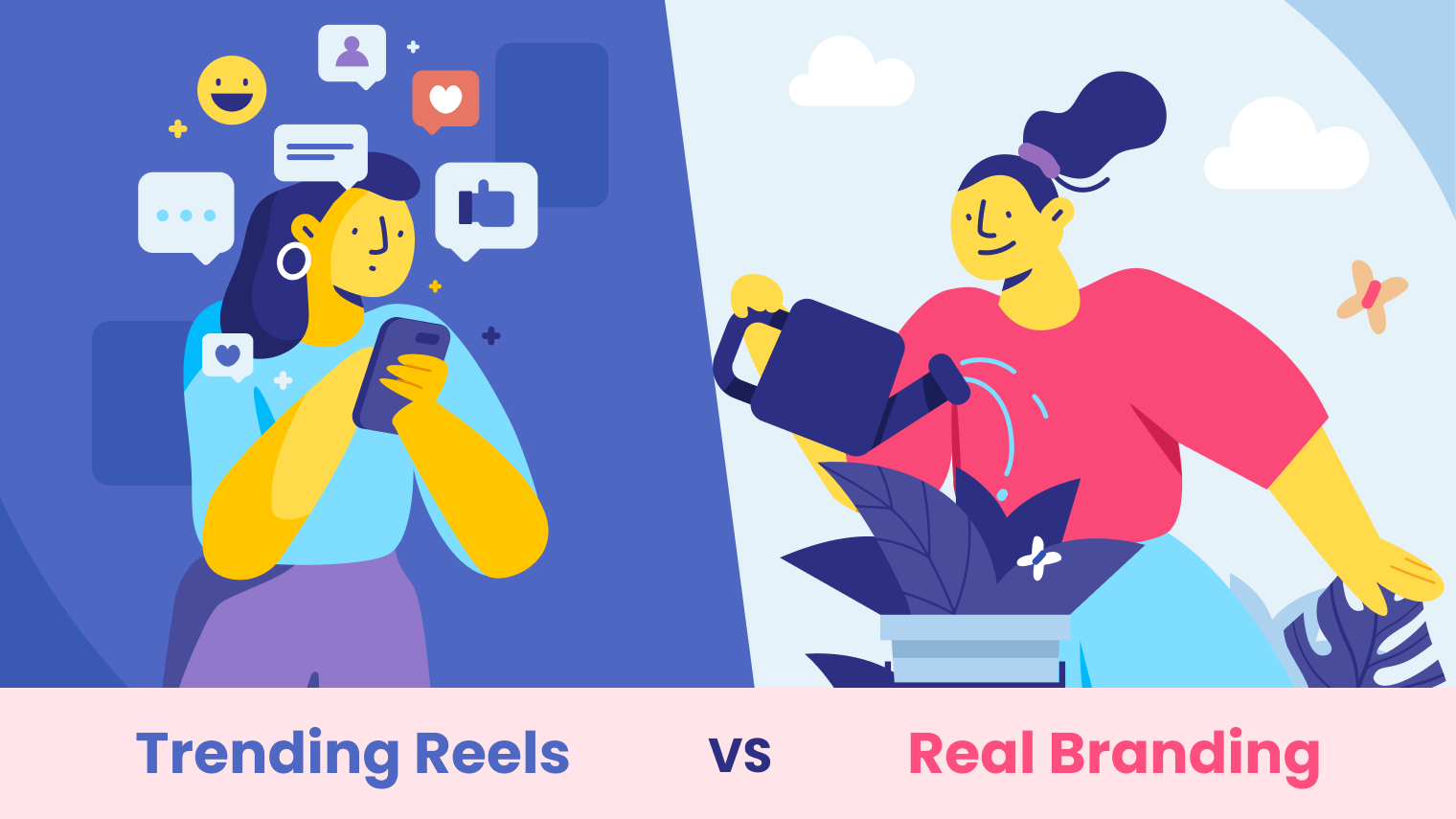
A creative designer can make screens look attractive.
A UX master makes those screens work effortlessly.
That difference affects everything:
And this is exactly why businesses that take digital growth seriously approach UX differently.
This is one of the most important distinctions businesses need to understand.
Creative design creates interest.
UX creates continuity.
A visually attractive interface may convince users to explore your platform once. But whether they stay, engage, and return depends entirely on experience.
Users don’t stay because a button looks beautiful.
They stay because interactions feel simple and intuitive.
They stay because:
That level of thinking does not come from visual creativity alone. It comes from structured UX expertise.
In the early stages, many businesses prioritize aesthetics because visual improvement creates quick excitement internally.
A redesigned homepage feels like progress.
A modern interface feels innovative.
But as businesses grow, expectations change.
Users become more demanding.
Journeys become more complex.
Products scale.
Customer behavior evolves.
At this stage, purely creative thinking starts showing limitations.
Because scaling a business requires systems, logic, consistency, and user understanding.
And this is where UX masters become essential.
One common misconception is that UX experts are less creative.
In reality, the best UX professionals are deeply creative. The difference is that their creativity is guided by purpose.
They don’t design to impress internally.
They design to improve outcomes externally.
Every decision has intent:
UX masters think beyond visuals. They think about behavior.
And behavior is what drives business performance.
When businesses struggle digitally, they often blame:
But many times, users leave because the experience quietly pushes them away.
Too many steps.
Confusing navigation.
Unclear actions.
Overwhelming layouts.
The product may look visually impressive while still creating frustration underneath.
This is one of the biggest reasons businesses invest in UX specialists rather than relying only on creativity.
Because UX experts identify friction before it becomes a business problem.
One interesting thing about great UX is that users rarely notice it consciously.
They simply feel comfortable using the product.
Things work naturally.
Actions make sense.
The experience flows smoothly.
That invisibility is intentional.
Good UX removes unnecessary thinking.
Creative-only design sometimes does the opposite. It prioritizes uniqueness so heavily that usability starts suffering.
Users don’t want to learn how your interface works. They want to use it effortlessly.
Serious businesses understand this very clearly.
Years ago, design was often treated as a support activity.
Today, UX directly impacts business metrics.
It affects:
This is why businesses that are scaling seriously no longer see UX as decoration.
They see it as infrastructure.
A weak experience slows growth even if marketing is strong.
A strong experience improves performance across the entire business ecosystem.
Modern tools have made design accessible. Templates are everywhere. Drag-and-drop platforms make it easy to create something visually decent.
This creates an illusion.
Businesses start believing UI/UX can be handled casually.
And initially, that may work.
But growth exposes weaknesses quickly.
What looks good internally may confuse users externally.
As traffic increases, friction increases too.
This is where businesses realize that professional UX thinking is not optional anymore.
Because templates cannot understand users.
Only experts can.
Let’s simplify this clearly.
A creative designer asks:
“How can this look better?”
A UX master asks:
“How can this work better?”
The second question changes everything.
UX masters:
They think about both users and outcomes simultaneously.
That balance is what serious businesses need.
Digital users today are extremely experience-aware.
They compare your platform not just with direct competitors, but with every smooth digital interaction they encounter daily.
If users experience simplicity elsewhere, they expect simplicity from you too.
Patience online is shrinking rapidly.
People leave quickly when:
This is why businesses can no longer rely on aesthetics alone.
Users expect experiences that feel intelligent.
One of the biggest signs of mature UX is consistency.
Every interaction feels connected.
Every screen follows logic.
Every flow feels familiar.
This consistency creates trust.
Without UX expertise, businesses often end up with disconnected experiences:
Over time, this weakens user confidence.
UX masters prevent that by building structured systems instead of isolated screens.
Many growing businesses make the mistake of delaying UX investment.
“We’ll improve it later.”
“Let’s focus on growth first.”
But growth without strong experience creates unstable foundations.
When user journeys are weak, scaling traffic only amplifies friction.
Businesses that understand this invest in UX expertise early because they know fixing foundational experience problems later becomes more expensive and more damaging.
One of the biggest reasons serious businesses prioritize UX masters is sustainability.
Creative trends change quickly.
What looks modern today may feel outdated tomorrow.
But strong UX principles remain valuable for years because they are rooted in human behavior, not trends.
Good UX:
That creates long-term business value beyond visual aesthetics.
Most industries today are crowded with similar products and services.
Features overlap.
Pricing competes constantly.
Marketing feels repetitive.
Experience becomes the differentiator.
Users naturally gravitate toward products that feel easier, smoother, and more intuitive.
This is where UX expertise creates measurable business advantage.
Not through loud visuals, but through better interactions.
Poor experiences damage trust quietly.
Users may never send complaints, but they remember frustration.
And once frustration becomes associated with a brand, recovery becomes difficult.
Strong UX protects businesses from this.
It creates confidence through clarity.
That confidence affects how users:
This is one reason serious businesses invest heavily in UX thinking long before problems become visible publicly.
If you observe modern high-growth brands carefully, one thing becomes obvious.
They are obsessed with experience.
Not just visuals.
Not just campaigns.
Experience.
Every interaction feels intentional.
Every flow feels simplified.
Every system feels connected.
That level of precision is rarely accidental.
It is built by UX specialists who understand how digital behavior influences business growth.
Creativity will always matter in digital experiences. Strong visuals attract attention and shape perception. But businesses that want sustainable growth need more than creative screens.
They need systems that work.
Journeys that feel effortless.
Experiences that users trust naturally.
That level of execution comes from UX expertise.
At RarePixels, being a next gen UX agency in india the focus goes far beyond aesthetics. The approach combines strategic UX thinking, user behavior understanding, scalable systems, and refined UI execution to create digital experiences that are not only visually strong, but business-driven at every level.
Because serious businesses no longer invest in design only to look better.
They invest in UX mastery to grow better.