Every designer has been there, that confident moment when everything feels right.
The colors sing.
The typography breathes.
The composition feels balanced, effortless, almost poetic.
You look at it and think, “This is it, this is the one.”
Then reality hits.
The user doesn’t click.
The client doesn’t connect.
The design, somehow, doesn’t work.
And you’re left wondering how something that felt so right ended up so wrong.
That’s the silent heartbreak of design, when perfection on screen doesn’t translate into purpose in life.
But maybe, just maybe, that’s not failure. Maybe it’s feedback.
Design doesn’t exist in isolation.
It’s not about pixels floating in a creative utopia; it’s about people, contexts, emotions, and expectations colliding in real time.
You could craft the most stunning interface, but if it doesn’t fit seamlessly into the user’s day, it becomes invisible.
You could create the boldest visual identity, but if it doesn’t reflect the brand’s truth, it feels hollow.
Design lives and dies in the real world, where people are distracted, hurried, emotional, and unpredictable.
That’s what makes it magical and maddening at the same time.
The best designs fail not because they are flawed, but because they are tested in an ecosystem that keeps changing.
And that’s okay, because that’s where real growth begins.
Here’s the paradox no one talks about.
A perfect design is often the most fragile one.
Why? Because perfection doesn’t evolve. It assumes it’s done.
And in creativity, nothing is ever done.
When we obsess over getting every detail right, we unintentionally kill the space for discovery.
We build a polished masterpiece that doesn’t breathe.
We forget that design isn’t a painting; it’s a conversation.
The best designs fail when they stop listening.
Every good designer lives in a delicate balance between art and analytics, between what feels right and what proves right.
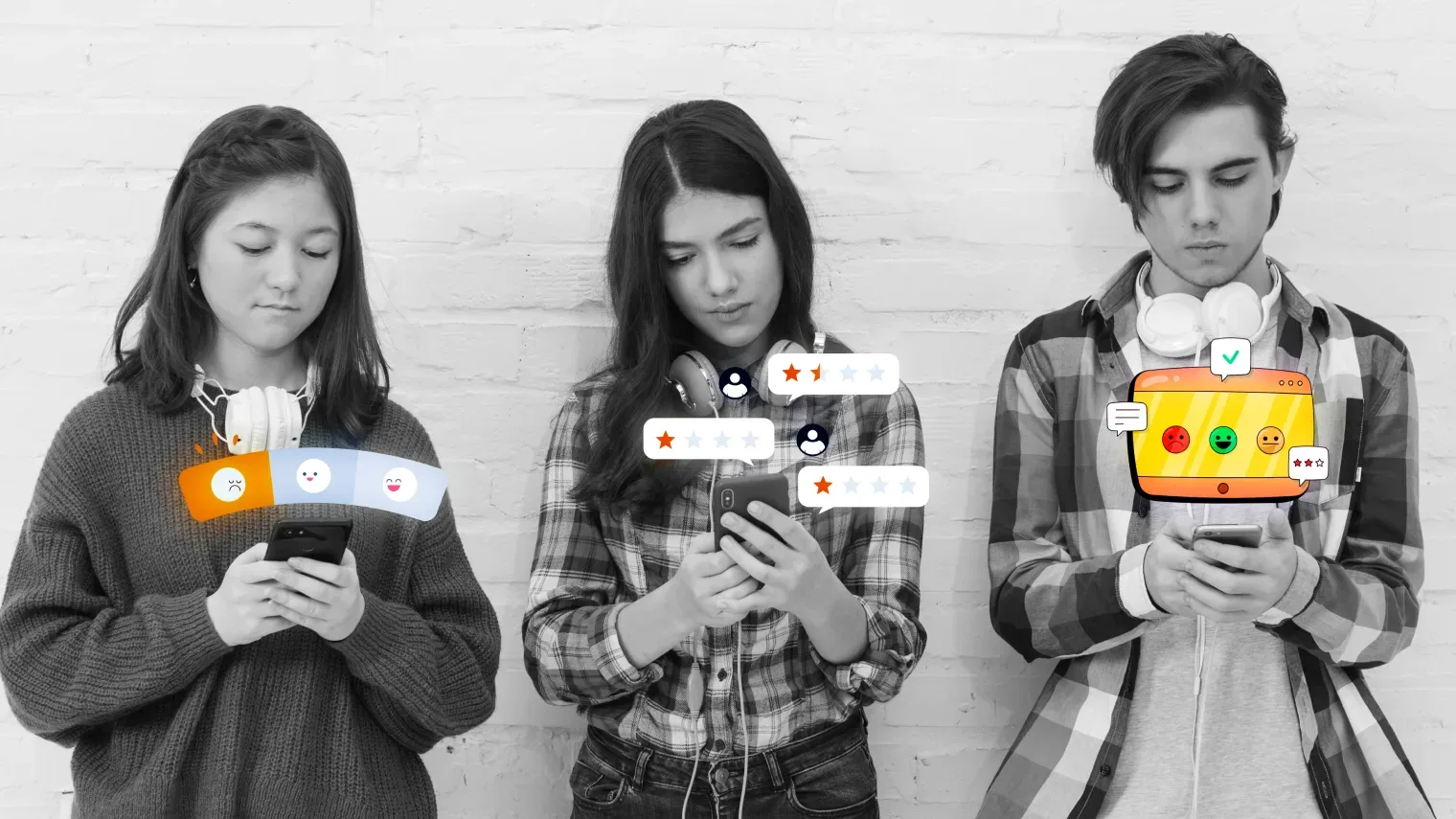
You might have a design that’s elegant, minimal, perfectly aligned with your instincts, but when the heatmaps, bounce rates, or user sessions come in, the numbers whisper otherwise.
And it hurts.
Because data can feel brutally indifferent to creativity.
But it’s not your enemy; it’s your reflection.
Data shows how people really behave, not how you hoped they would.
It’s not there to invalidate your art; it’s there to evolve it.
The creative mindset doesn’t fear those metrics. It translates them into meaning.
It asks, “What does this tell me about my audience?” instead of “What does this say about my design?”
That’s where good designers become great ones.
Designers are emotional beings.
We pour feelings into fonts and meaning into margins.
But sometimes, that’s the problem.
We fall in love with our ideas, not their outcomes.
We design with emotion for ourselves, but not necessarily with empathy for others.
And that’s the tricky balance. Emotion drives design, but empathy shapes it.
Emotion says, “I love this.”
Empathy asks, “Will they love this?”
When emotion leads without empathy, even great design can feel disconnected.
It becomes art that’s admired, not experienced.
Every creative project begins with one dangerous phrase: “Let’s make something everyone will love.”
That’s impossible.
The moment you try to please everyone, you dilute the magic that makes design personal.
The best designs aren’t universally loved; they are deeply understood by the right people.
Some of the most iconic designs, from Apple’s minimalist interfaces to Airbnb’s soft, human branding, were polarizing at first.
They didn’t aim for mass approval; they aimed for emotional resonance.
The creative mindset accepts that failure often starts with trying to be liked, and success starts with daring to be true.
Design projects often begin with clarity and end with compromise.
Somewhere between revisions, client approvals, and internal opinions, the original “why” starts to blur.
Designers begin optimizing for presentation, not performance.
We start designing for validation, not value.
But the purpose is the compass. Lose it, and you are sailing beautifully but in the wrong direction.
Even the most elegant design fails when it forgets its reason for existence.
Failure isn’t the opposite of success in design; it’s a chapter of it.
Every failure teaches something the mood board couldn’t.
It reveals blind spots, assumptions, and sometimes, arrogance.
When a design doesn’t connect, it doesn’t mean it wasn’t good. It means it wasn’t understood.
And understanding takes time, observation, and humility.
The best creatives don’t treat failure as an insult. They treat it as insight.
Because every failed project quietly whispers, “Here’s what you missed last time. Now go make it better.”
Every designer’s best strength, belief in their vision, can also become their blindfold.
Creative ego isn’t bad. It’s the fire that fuels risk, innovation, and originality.
But when ego stops listening, design stops evolving.
When you start defending decisions instead of discovering new ones, you stop learning.
The mature creative mindset doesn’t fight ego; it befriends it.
It lets confidence drive the work, but lets humility guide the process.
No design has ever failed when its creator was willing to learn from it.
No masterpiece was ever born in version one.
Iteration, the art of refining through feedback, is what separates design as art from design as experience.
Each iteration is a conversation between your vision and your user’s voice.
The first version expresses your creativity.
The next ones express your growth.
Design doesn’t fail when it changes. It fails when it stops changing.
Every edit, every revision, every test is a sign of life, a heartbeat in the creative process.
When a design fails, it’s easy to react emotionally: frustration, doubt, even embarrassment.
But that moment is sacred; it’s the bridge between intuition and insight.
Failure teaches designers to zoom out, to see the system, not just the screen.
Maybe the visuals were stunning, but the story wasn’t told clearly.
Maybe the interface was smooth, but the users weren’t ready for the change.
Maybe it failed not because it was bad, but because it was misunderstood.
Seeing through failure means realizing that every “no” is data, and every “not working” is direction.
Design is often described as a process: empathize, define, ideate, prototype, test.
But the truth is, the process is meaningless without feeling.
Design thinking gives structure; creative feeling gives soul.
When they coexist, innovation happens.
When they separate, one dominates, and that’s where imbalance begins.
When thinking overrules feeling, design becomes clinical.
When feeling ignores thinking, design becomes chaotic.
The creative mindset learns to hold both logic and love in the same hand.
Think about the most transformative projects in your career, the ones that taught you the most.
Chances are, they weren’t the easy wins.
They were the messy ones. The misunderstood ones. The almost-there-but-not-quite ones.
Because failure does what success can’t. It slows you down enough to notice what truly matters.
Failure teaches:
In a world chasing perfection, failure is the most honest teacher you’ll ever have.
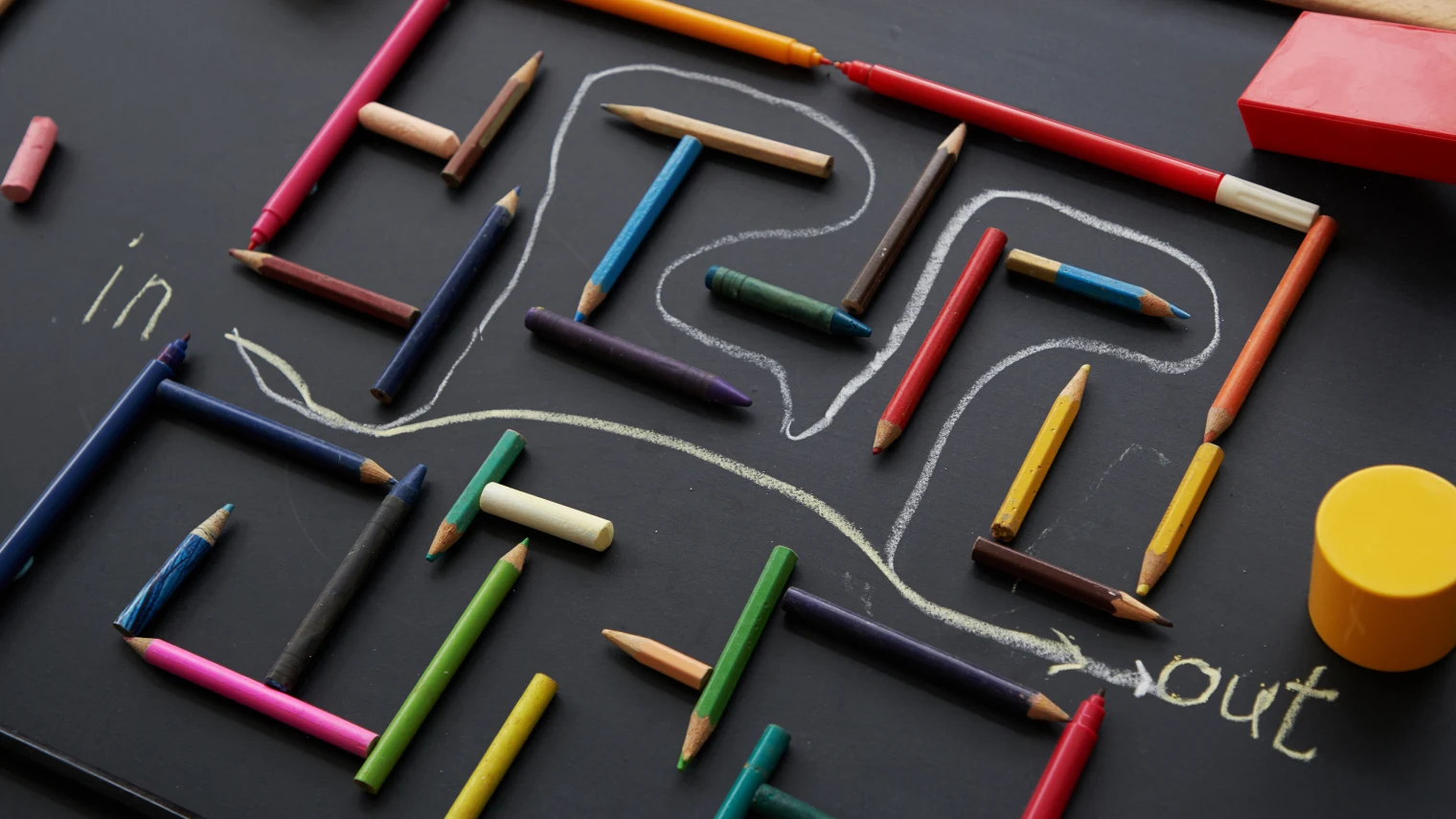
The creative journey isn’t linear; it’s circular.
Every failure brings you back to the starting point, but wiser.
Every iteration takes you closer to simplicity.
With time, designers stop asking, “How can I make this look better?”
and start asking, “How can I make this feel right?”
That’s the maturity of creativity, when the goal shifts from impressing to impacting.
At its core, design is an act of courage.
To create something new means risking misunderstanding.
To challenge convention means accepting discomfort.
Failure isn’t a verdict; it’s proof that you tried to do something that didn’t exist before.
That’s bravery.
And that’s creativity.
Being one of the top UI designing agencies at RarePixels, we have seen both, designs that soared and designs that stumbled.
And every single one taught us something we couldn’t have learned otherwise.
We’ve realized that the true measure of a designer isn’t how often their ideas succeed; it’s how gracefully they grow when they don’t.
Because even the best designs can fail.
But the creative mindset never does. It simply evolves.
And that’s the difference between designing for praise and designing with purpose.