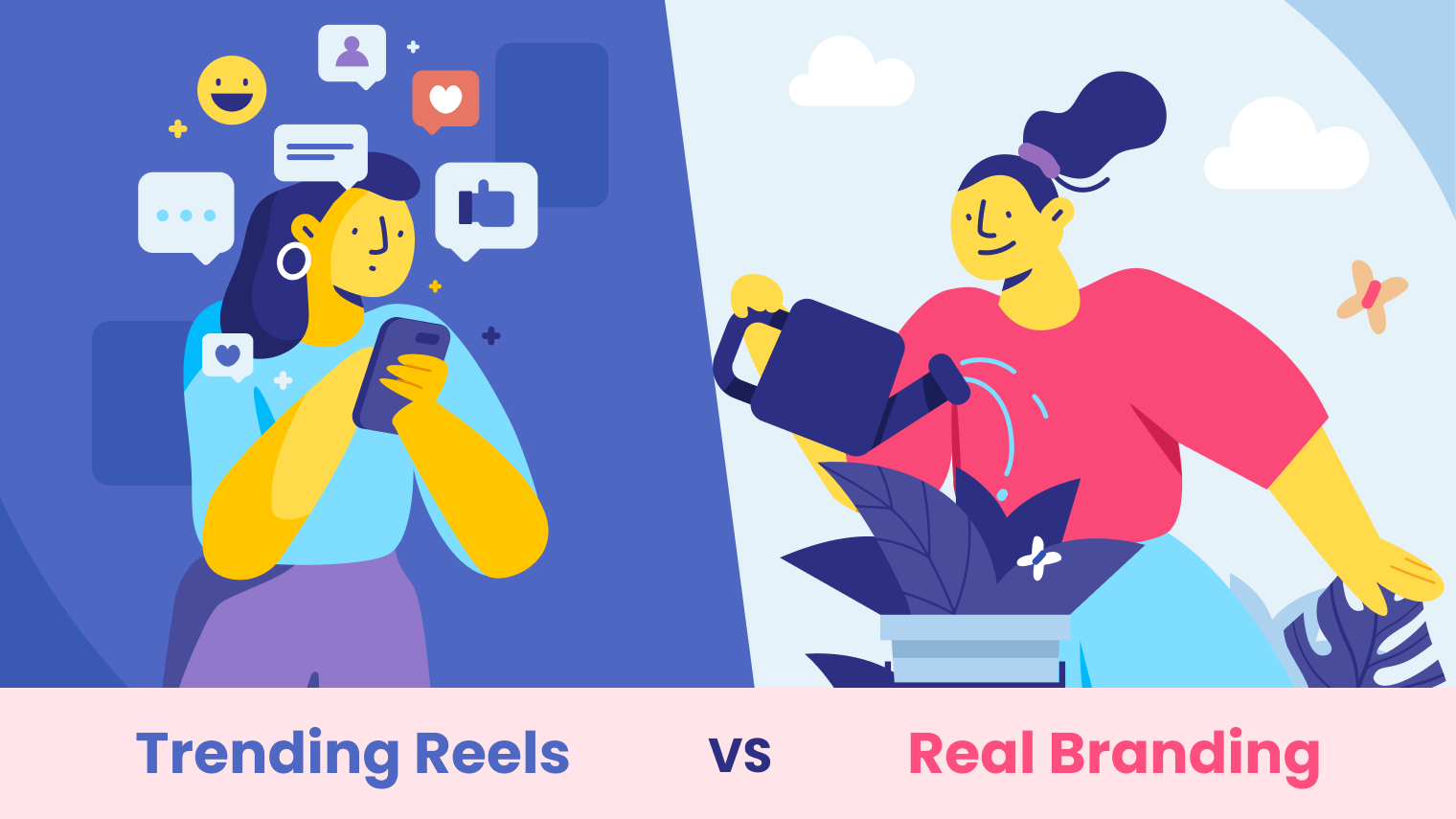
Once upon a time, selling was simple.
You had a good product, a good price, and a good pitch, and that was enough. But the world has changed. Today, people don’t just buy things. They buy why you made them.
A sneaker is no longer about comfort; it represents identity.
A coffee brand is not only about caffeine; it’s about community.
A phone isn’t just about features; it’s about belonging.
The playing field has shifted from product-driven marketing to purpose-driven branding, and that shift has completely redefined what it means to build a brand that truly lasts.
In the industrial age, businesses focused on efficiency—making things faster, cheaper, and easier to produce.
In the digital age, the competition is not about who makes it first, but about who makes it meaningful.
Consumers live in a world overflowing with options. Thousands of brands offer the same features, the same benefits, and often the same promises.
When everything looks good, feels good, and sounds good, the question becomes simple: “Why should I choose you?”
The answer no longer lies in your product. It lies in your purpose and your personality.
Purpose isn’t a tagline; it is the reason you exist.
It is what you stand for beyond profit, and what you contribute to the world beyond your balance sheet.
Today’s buyers care about sustainability, inclusivity, and transparency. They align with brands that reflect their values and beliefs.
A study by Edelman revealed that more than sixty percent of consumers choose, switch, or boycott a brand based on its stance on social issues.
That’s not marketing anymore. That’s meaning.
Patagonia, Dove, and TOMS don’t just sell products; they sell principles.
Their audiences don’t just purchase; they participate.
When you lead with purpose, your customers don’t just buy from you—they believe in you.
Traditional branding focused on transactions: one sale, one conversion, one campaign at a time.
Today, the strongest brands focus on transformation.
They turn ideas into experiences, customers into advocates, and moments into memories.
Take Apple, for example. It doesn’t just sell devices; it sells creativity. Every product, from the iPhone to the MacBook, reinforces one belief: “Think Different.”
Or look at Nike. It isn’t simply a sportswear company; it’s a statement of empowerment that says, “Just Do It.”
These brands go beyond the product. They enter culture and inspire identity.
That is the real power of purpose. It turns a brand into a movement.
If purpose tells people why you exist, personality tells them how you make them feel.
Brand personality is the soul of your storytelling.
It shapes your tone, your attitude, and your rhythm—the traits that make your audience see you as human.
People don’t build relationships with corporations; they build them with characters.
That is why your brand needs a voice that feels real, expressive, and emotionally engaging.
Wendy’s uses humor.
Apple communicates confidence.
Coca-Cola spreads optimism.
Harley-Davidson embodies rebellion.
Each of them sells something different, yet they all connect through consistent emotion.
A strong personality makes your brand recognizable even when your logo is missing.
We now live in an era where emotion is the most valuable brand asset.
Psychology drives purchasing decisions more than features or price ever could.
People choose based on how a brand makes them feel, not only what it offers.
When you make people feel seen, understood, or inspired, you build emotional equity.
And that type of equity lasts longer than market share.
Brands that understand emotion create deeper bonds.
A heartfelt advertisement builds trust.
A thoughtful design creates comfort.
A personalized experience generates belonging.
In the emotional economy, connection is currency.
Being the “best” product is no longer a long-term advantage.
Technology catches up, competitors replicate features, and markets evolve faster than ever.
If you only sell what you make, you can be replaced.
If you sell why you exist, you become irreplaceable.
Product-first branding is losing its relevance.
It isn’t that the product doesn’t matter; it’s that it’s no longer enough.
The modern audience looks for depth.
They ask:
Purpose answers all those questions long after the advertisement disappears.
Advertising can attract attention, but purpose builds affection.
When people feel emotionally aligned with your values, they become your loyal advocates.
They defend you during mistakes, amplify you during wins, and grow with you over time.
Purpose turns marketing into meaning and consumers into communities.
Lego doesn’t just market toys; it builds a culture of imagination.
Airbnb doesn’t just sell stays; it sells belonging.
When your purpose aligns with human emotion, your audience becomes your best marketing team.
Social media has humanized branding completely.
Audiences now expect brands to sound real—to talk, react, and care like people.
The formal tone of the corporate past is being replaced by empathy and honesty.
A brand with personality can make you smile, spark conversation, or make you reflect.
This shift has blurred the line between brand and audience
People want collaboration, not campaigns.
They want connection, not communication.
Your brand doesn’t need a product message anymore; it needs a human message.
Branding used to revolve around logos and taglines.
Now, it’s about storytelling—the emotional bridge between purpose and audience.
Stories make brands memorable because they mirror human experiences.
They turn your mission into moments that matter.
A great story answers three simple questions:
When your story aligns with real human values, it becomes a part of your audience’s identity.
That is how brands move from being noticed to being felt.
Not every purpose is powerful.
Audiences can detect fake empathy faster than ever before.
So, what makes a purpose genuine?
Purpose isn’t a campaign. It’s a commitment.
And the brands that stay committed win trust that lasts.
Purpose gives direction.
Personality gives dimension.
When both come together, you create a brand that feels human, honest, and alive—one that speaks to both the head and the heart.
Purpose defines what you fight for.
Personality defines how you show up in that fight.
Together, they form an experience that people want to belong to, not just buy from.
In the next decade, we will see fewer ads and more alignment.
Fewer brands shouting, and more brands listening.
Artificial intelligence might create logos or slogans, but it cannot replicate authenticity, emotion, or purpose.
Those come from belief, not data.
The brands that thrive will not only innovate; they will inspire.
They will not only sell; they will serve.
And that is the true evolution of branding.
At RarePixels, we believe design is not decoration; it is direction.
We don’t build brands to look beautiful; we build them to mean something.
Our process goes beyond colors and typefaces.
We help businesses uncover their story, express their beliefs, and create experiences that connect with people on a deeper level
Because when your brand is driven by purpose and powered by personality, your audience doesn’t just remember you—they relate to you.
That is where real branding begins.